Source Aromatherapy Tea Tree Essential Oil for Skin Care
Find and compare wholesale Aromatherapy Tea Tree Essential Oil from verified manufacturers. This sourcing guide covers 30 available products with details on therapeutic grade options, OEM services, and bulk pricing for skin care and massage applications.
Key considerations
Products List


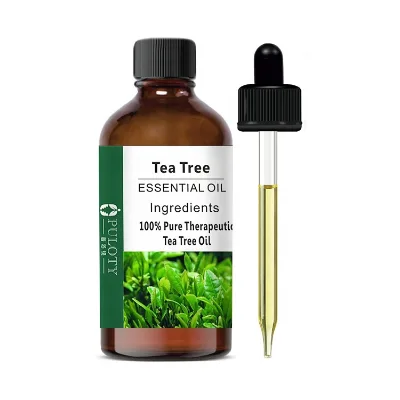
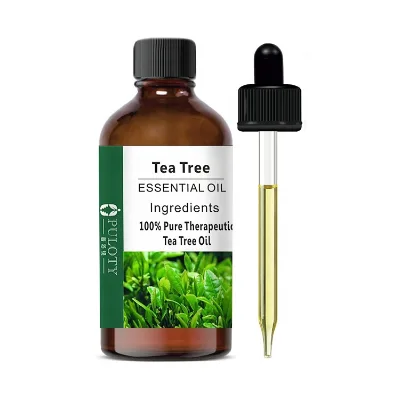
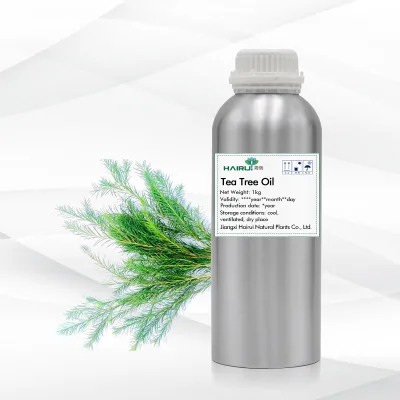
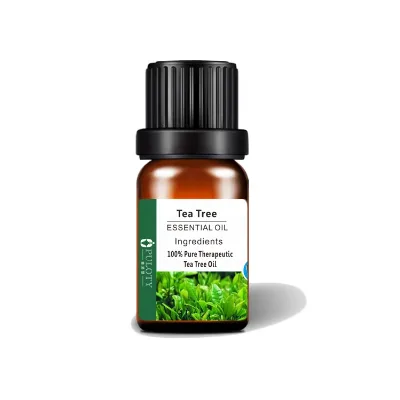
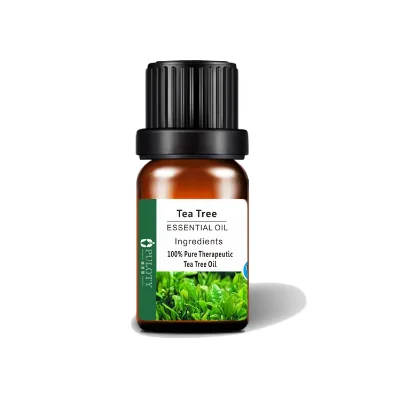
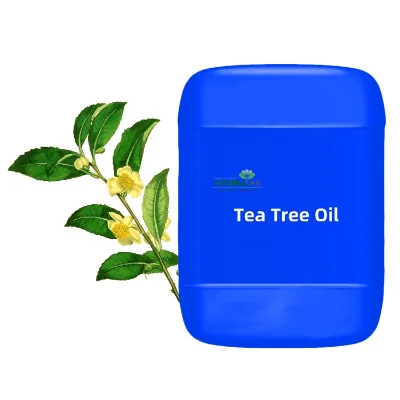


500ml Aroma Essential Oil Use for Scent Diffuser Manufacturers Wholesale Price
$13.00 - $17.00
MOQ: 49 Pieces
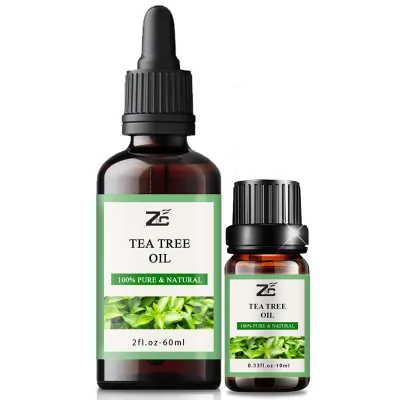


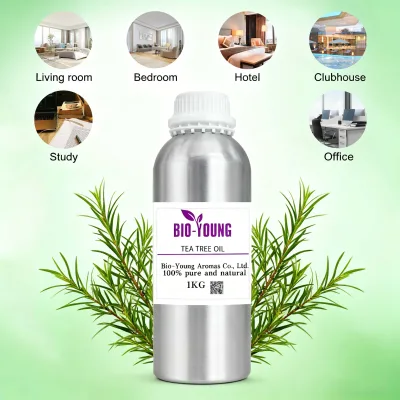
$19.00 - $23.00
MOQ: 180 kilograms
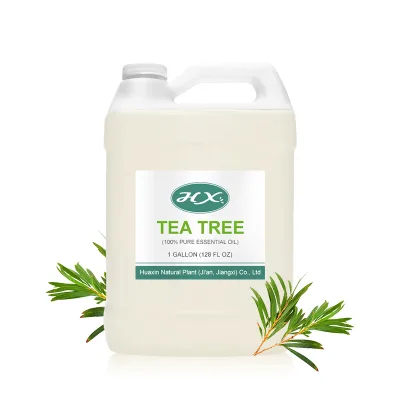
Odor Control with Tea Tree Oil: a Fresh Approach to Eliminating Unpleasant Smells
$49.00 - $54.00
MOQ: 1 kilograms
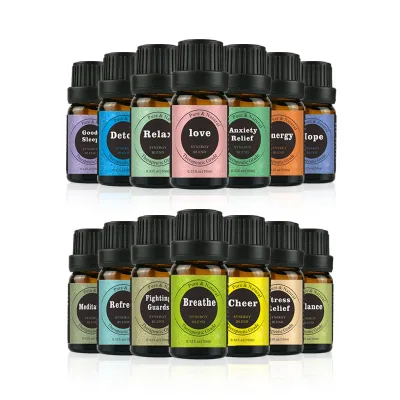

Comprehensive Sourcing Guide
Aromatherapy Tea Tree Essential Oil Sourcing Guide
Sourcing high-quality essential oils for aromatherapy and skin care applications requires a disciplined approach to verifying botanical authenticity, therapeutic grade standards, and supplier transparency. The global market for tea tree essential oil is vast, with listings often highlighting attributes such as "natural," "therapeutic grade," and "pure." However, buyers must navigate a landscape where terminology can be ambiguous. For instance, while many suppliers claim their products are derived from pure natural plant sources, the actual composition can vary based on the distillation process and the specific cultivar of Melaleuca alternifolia used. Procurement teams must therefore treat product attributes as observations rather than guaranteed claims, ensuring that every batch meets strict internal quality benchmarks before integration into final consumer goods or professional spa treatments.
This guide provides a structured framework for evaluating suppliers of Aromatherapy Tea Tree Essential Oil, focusing on technical specifications, compliance documentation, and commercial terms. By leveraging observed market signals and trusted category knowledge, buyers can mitigate risks associated with adulteration, inconsistent potency, and regulatory non-compliance. The following sections detail the critical verification steps required to secure a reliable supply chain, from initial product scope analysis to long-term supplier qualification. This approach ensures that procurement decisions are data-driven, compliant with international safety standards, and aligned with the specific needs of aromatherapy and personal care formulations.
Product Scope and Observed Listing Signals
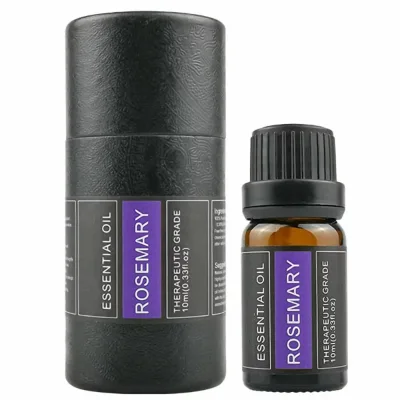
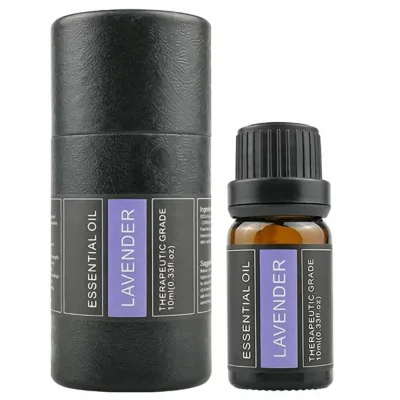
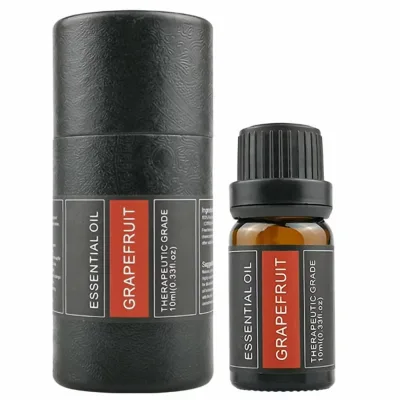
The current market for tea tree essential oil presents a wide range of product variations, often bundled with other botanical extracts to appeal to diverse consumer preferences. Observed listings frequently feature tea tree oil alongside other popular aromatherapy scents such as bergamot, black pepper, cedarwood, chamomile, cinnamon, citronella, clary sage, clove, cypress, eucalyptus, and lavender. This bundling strategy suggests that many suppliers operate as generalist essential oil providers rather than specialists in a single botanical. Buyers should recognize that a supplier offering a broad portfolio may have varying levels of expertise and quality control for each specific oil. Consequently, it is crucial to verify that the tea tree oil in question meets specific therapeutic standards, rather than assuming that the quality of one product in the catalog reflects the quality of another.
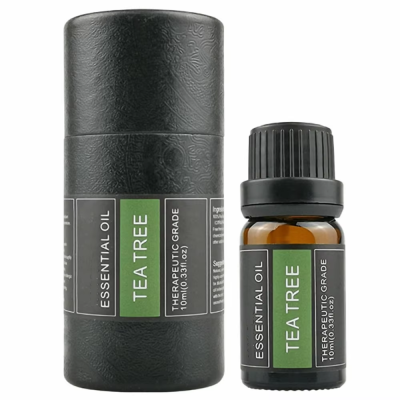
In terms of physical specifications, typical listings indicate a volume of 10ml per bottle, packaged in individual boxes with a single gross weight of approximately 0.100 kg. The shelf life is commonly stated as three years, which is standard for stable essential oils when stored correctly. However, buyers must scrutinize the "grade" claims, such as "Therapeutic Grade" or "Grade A," as these are not regulated terms in many jurisdictions. While some products are labeled as "Pure Essential Oil" or "Natural Plant Essential Oil," the raw material source is often listed simply as "Flowers" or "Oil," which lacks the botanical precision required for high-end formulations. Procurement teams should request detailed botanical names and distillation methods to confirm that the product is indeed 100% Melaleuca alternifolia leaf oil, free from synthetic additives or carrier oils.
Technical Specifications to Verify
Verifying the technical integrity of tea tree essential oil begins with understanding its chemical profile and physical properties. The primary active components, terpinen-4-ol and gamma-terpinene, determine the oil’s efficacy in aromatherapy and skin care applications. Buyers should insist on Gas Chromatography-Mass Spectrometry (GC-MS) reports for each batch to confirm that the chemical composition aligns with international standards, such as ISO 4730 for tea tree oil. Without these reports, claims of "therapeutic grade" remain unsubstantiated. Additionally, the physical weight and volume must be consistent; discrepancies between the labeled 10ml volume and the actual weight can indicate dilution or inaccurate filling processes. Suppliers who provide transparent, batch-specific analytical data are more likely to maintain consistent quality over time.
Model numbers and product identifiers, such as MZ21122015 for tea tree oil or MZ21120311 for lavender, serve as internal tracking mechanisms for suppliers. While these codes help in order management, they do not convey quality information. Buyers should map these model numbers to specific production batches and verify that the packaging materials are suitable for essential oils, which can degrade certain plastics over time. Glass bottles with secure, airtight seals are preferred to preserve the oil’s potency and prevent oxidation. Furthermore, the "single package size" of 8.5x3.7x3.7 cm suggests a compact, retail-ready format, but buyers should assess whether this packaging protects the product during international shipping. Fragile glass packaging requires robust outer boxing to prevent breakage, which can lead to product loss and safety hazards.
Compliance and Safety Documentation
Compliance with safety and regulatory standards is non-negotiable in the essential oil industry. Many suppliers list certifications such as MSDS (Material Safety Data Sheet), which provides critical information on handling, storage, and emergency measures. However, an MSDS alone is insufficient for ensuring product safety and quality. Buyers must also verify compliance with REACH (Registration, Evaluation, Authorisation and Restriction of Chemicals) in the European Union, FDA regulations in the United States, and other local cosmetic or aromatherapy standards. These regulations often require detailed ingredient declarations, allergen warnings, and usage restrictions. For example, tea tree oil can cause skin irritation in some individuals, and proper labeling must reflect this risk. Procurement teams should ensure that all documentation is up-to-date and specific to the batch being purchased, not generic templates.
In addition to regulatory compliance, buyers should assess the supplier’s adherence to Good Manufacturing Practices (GMP). GMP certification indicates that the supplier follows strict protocols for hygiene, equipment maintenance, and quality control during production. This is particularly important for essential oils used in skin care and aromatherapy, where purity is paramount. Suppliers who offer OEM/ODM services and private labeling often have more sophisticated quality control systems, but this is not always the case. Buyers should request evidence of GMP compliance, such as audit reports or certificates from recognized bodies. Furthermore, the "customization" options available, such as private labeling, should be evaluated for their impact on quality control. Custom packaging or blending processes must not compromise the integrity of the essential oil or introduce contaminants.
Cost Drivers and Commercial Terms
The cost of tea tree essential oil is influenced by several factors, including the quality of the raw material, the complexity of the distillation process, and the scale of production. Observed price ranges in the market can vary significantly, from as low as $0.64 to as high as $75 per unit, depending on the grade, volume, and supplier. These wide variations highlight the importance of looking beyond the unit price to understand the total cost of ownership. Lower-priced oils may be diluted or of lower botanical quality, while higher-priced oils may offer superior purity and consistency. Buyers should request detailed pricing breakdowns that include raw material costs, processing fees, and packaging expenses to make informed comparisons.
Minimum Order Quantities (MOQs) also play a significant role in procurement strategy. Observed MOQs range from 1 piece to 30,000 pieces, reflecting the diverse needs of buyers, from small businesses to large manufacturers. For smaller orders, buyers may face higher per-unit costs due to fixed production and shipping expenses. Conversely, larger orders may offer volume discounts but require significant storage capacity and capital investment. Buyers should negotiate flexible MOQs that align with their sales forecasts and inventory management capabilities. Additionally, payment terms and lead times should be clearly defined in contracts to avoid disruptions in supply. Suppliers who offer OEM/ODM services may have longer lead times due to customization requirements, so buyers should plan accordingly to ensure timely delivery.
Supplier Qualification and Quality Control
Qualifying suppliers of tea tree essential oil requires a thorough assessment of their production capabilities, quality control systems, and business stability. Buyers should conduct on-site audits or request virtual tours to verify the supplier’s facilities and processes. Key areas to inspect include the distillation equipment, storage conditions, and quality control laboratories. Suppliers who invest in modern, well-maintained equipment are more likely to produce high-quality oil consistently. Additionally, buyers should evaluate the supplier’s staff training programs to ensure that employees are knowledgeable about essential oil handling and safety protocols. A supplier’s commitment to quality is often reflected in their willingness to share detailed information about their production processes and quality control measures.
Quality control should be an ongoing process, not a one-time verification. Buyers should implement a robust incoming inspection protocol that includes visual checks, odor assessments, and laboratory testing for purity and potency. Random sampling and third-party testing can help detect adulteration or degradation. Suppliers who provide batch-specific certificates of analysis (COA) are easier to manage and more reliable in the long term. Furthermore, buyers should establish clear communication channels with suppliers to address any quality issues promptly. A responsive supplier who is willing to collaborate on quality improvement initiatives is a valuable partner. Regular performance reviews, based on metrics such as defect rates, delivery times, and customer feedback, can help identify potential issues before they escalate.
Long-Term Procurement Checks
Long-term procurement success depends on building resilient relationships with suppliers who can adapt to changing market conditions and regulatory requirements. Buyers should regularly review their supplier base to ensure that they remain competitive and compliant. This includes monitoring changes in essential oil prices, availability of raw materials, and regulatory updates. Suppliers who proactively communicate changes and offer solutions are more likely to maintain strong partnerships. Additionally, buyers should diversify their supplier base to mitigate risks associated with single-source dependencies. Having multiple qualified suppliers can provide flexibility in case of supply disruptions or quality issues.
Sustainability and ethical sourcing are increasingly important considerations in the essential oil industry. Buyers should assess their suppliers’ commitment to sustainable farming practices, fair trade principles, and environmental stewardship. Tea tree oil is often sourced from regions where environmental impact and community welfare are critical issues. Suppliers who demonstrate a strong commitment to sustainability can enhance a buyer’s brand reputation and meet the growing demand for ethically sourced products. Finally, buyers should invest in continuous learning and development to stay informed about industry trends, best practices, and emerging technologies. This knowledge will enable them to make more informed procurement decisions and drive value for their organizations.
FAQs
What is the shelf life of the Mzel tea tree essential oil?
The shelf life is 3 years. This duration applies to the Wholesale Mzel Natural Aromatherapy Tea Tree Essential Oil stored under proper conditions. The product is packaged in a box with a single gross weight of 0.100 kg for safe transport.
Can I order this oil with a minimum quantity of 20 pieces?
Yes, the minimum order quantity is 20 pieces. This MOQ applies to the Mzel brand tea tree essential oil with a volume of 10ml per bottle. Buyers can also request OEM or ODM private label services for this specific item.
Which grade of tea tree essential oil is available from this supplier?
The available grade is Therapeutic Grade. This pure essential oil is derived from tea tree flowers and is suitable for aromatherapy, massage, and skin care applications. It is manufactured in Guangdong, China, ensuring consistent quality standards.
How is the product packaged for wholesale distribution?
The product is packaged in a box. Each single package measures 8.5 by 3.7 by 3.7 cm and weighs 0.100 kg. This packaging protects the 10ml bottle of pure essential oil during shipping to international buyers.
What customization options are available for this essential oil?
Customization is available through OEM and ODM private label services. Buyers can request specific branding or formulations for the tea tree essential oil. The product supports daily usage and various aromatherapy applications with flexible manufacturing options.
What is the physical weight of a single bottle of this oil?
The physical weight is listed as 0.100 kg per single gross weight. This includes the 10ml bottle of tea tree essential oil and its box packaging. The product is designed for easy handling and distribution in wholesale orders.